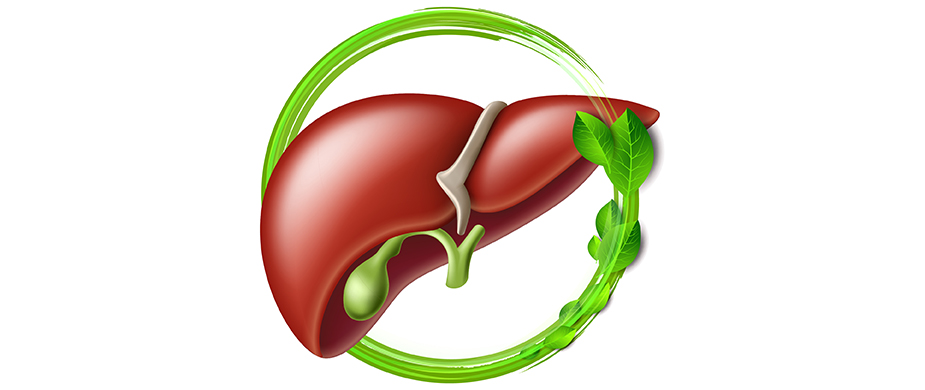
How to DETOX Your Liver


It's important to clarify that the term "detox" is often misused. Your liver is a powerful organ that naturally detoxifies your body every day. There's no scientific evidence to support the need for commercial "detox" products or programs. However, you can support your liver's natural function and improve your overall health with these evidence-based strategies:

1. Adopt a Liver-Friendly Diet:

  • Focus on Whole Foods: Emphasize fruits, vegetables, whole grains, lean proteins, and healthy fats. These provide the nutrients your liver needs to function optimally.
  • Prioritize Fruits and Vegetables: Especially beneficial are:
    • Cruciferous Vegetables: Broccoli, cauliflower, Brussels sprouts, and cabbage contain compounds that support liver detoxification enzymes.
    • Leafy Greens: Spinach, kale, and other leafy greens are rich in chlorophyll, which can help cleanse the blood.
    • Citrus Fruits: Lemons, grapefruits, and oranges are high in vitamin C and antioxidants, which support liver function.
    • Berries: Blueberries, strawberries, and raspberries are packed with antioxidants that protect the liver from damage.
  • Include Healthy Fats: Olive oil, avocados, nuts, and seeds provide healthy fats that are important for liver health.
  • Limit Processed Foods: Processed foods, sugary drinks, and excessive amounts of saturated and unhealthy fats can put a strain on your liver.

2. Hydrate Adequately:

  • Drink Plenty of Water: Water is essential for all bodily functions, including liver detoxification. It helps flush out toxins and keeps your liver functioning efficiently.

3. Limit Alcohol Intake:

  • Reduce or Eliminate Alcohol: Excessive alcohol consumption is a major cause of liver damage. Reducing or eliminating alcohol intake is one of the best things you can do for your liver health.

4. Maintain a Healthy Weight:

  • Achieve and Maintain a Healthy Weight: Obesity and being overweight can lead to non-alcoholic fatty liver disease. Maintaining a healthy weight through diet and exercise can significantly improve liver health.

5. Exercise Regularly:

  • Engage in Regular Physical Activity: Exercise has numerous benefits for overall health, including liver health. It can help reduce fat accumulation in the liver and improve liver function.

6. Be Mindful of Medications and Supplements:

  • Use Medications Responsibly: Some medications can be harmful to the liver. Always follow your doctor's instructions and avoid taking unnecessary medications.
  • Be Cautious with Supplements: Some herbal supplements can also be harmful to the liver. Talk to your doctor before taking any new supplements.

7. Consider Specific Foods and Supplements (with Caution):

  • Coffee: Some studies suggest that coffee consumption may have protective effects on the liver.
  • Milk Thistle: Milk thistle is an herb that contains a compound called silymarin, which may have some liver-protective properties. However, more research is needed.
  • Green Tea: Green tea is rich in antioxidants that may benefit liver health.

Important Note:

  • Consult with a Healthcare Professional: If you have any concerns about your liver health or are considering any specific "detox" programs or supplements, it's essential to talk to your doctor or a registered dietitian. They can provide personalized advice based on your individual needs and health status.

By focusing on these evidence-based strategies, you can effectively support your liver's natural detoxification processes and promote overall health and well-being.

Comments

Popular posts from this blog

How to FLUSH Your Liver and Gallbladder

It's important to understand that the concept of "flushing" the liver and gallbladder is controversial and not widely supported by mainstream medical science. Your liver and gallbladder are designed to naturally process and eliminate waste products. There's no scientific evidence that these "flushes" offer any proven health benefits, and some can even be harmful. It's crucial to discuss any liver or gallbladder concerns with your doctor before trying any home remedies or "cleanses." However, if you're interested in supporting your liver and gallbladder health, here are some evidence-based strategies you can discuss with your physician: Supporting Liver Health (Focus on these instead of "flushing"): Healthy Diet: A balanced diet rich in fruits, vegetables, whole grains, and lean protein is essential. Focus on: Cruciferous Vegetables: Broccoli, cauliflower, Brussels sprouts, and cabbage support liver detoxification. ...

Ways to GET RID of Phlegm and Mucus in Chest and Throat

Phlegm and mucus in your chest and throat can be uncomfortable and irritating. Here are some effective ways to help get rid of it: 1. Stay Hydrated: Drink Plenty of Fluids: Water, juice, clear broths, and warm liquids like tea can help thin mucus, making it easier to cough up. Warm Liquids: Warm liquids can be especially soothing and helpful in loosening congestion. 2. Humidify the Air: Use a Humidifier: A humidifier, especially a cool mist humidifier, can add moisture to the air, which helps thin mucus and ease congestion. Steam Inhalation: Inhaling steam from a shower or a bowl of hot water (with a towel over your head) can also help loosen mucus. 3. Gargle with Salt Water: Salt Water Gargle: Gargling with warm salt water can help soothe a sore throat and clear mucus from the back of your throat. 4. Over-the-Counter Medications: Expectorants: Medications like guaifenesin can help thin mucus, making it easier to cough up. Decongestants: Decongestants can he...

10 Things You Shouldn’t Put in the Freezer

H ere are the 10 things you generally shouldn't put in the freezer, along with why: Eggs in their shells: When whole eggs freeze, the water content inside expands. This can cause the shells to crack, potentially leading to bacterial contamination and a messy situation. What to do instead: You can freeze eggs if you crack them open. Beat them lightly (for scrambled eggs or baking) or separate yolks and whites, and freeze them in freezer-safe containers or ice cube trays. Lettuce and other raw leafy greens with high water content (like cucumbers, radishes, celery): These will become limp, soggy, and unappetizing once thawed due to the water content forming ice crystals that damage the cell walls. Exception: Some greens like spinach or kale can be frozen, especially if you plan to cook them (e.g., in soups or smoothies), as the texture change is less noticeable. Blanching them first is often recommended. Carbonated drinks (soda, beer, sparkling water) in cans or bottle...